IDEAL CUSTOMER PROFILE & ACCOUNT RESEARCHINDONESIA

Know why an account belongs on your list.

Good prospecting starts before the first message. SAB Lead Pros explores how to define suitable companies, research their business context, and identify relevant buying roles, so your team can explain why an account is worth approaching.

SAB

By SAB · Jakarta
Connecting marketing and sales since 2017.

FOR Business development teams building a focused account list for B2B outreachExplore our approach ↓

WHAT YOUR BUSINESS NEEDS

All growing companies is not a usable research brief.

Two companies in the same industry can have very different operating needs and buying processes. Size and sector give you a starting point, but rarely explain the opportunity. We help turn a broad audience into observable account criteria, with a clear distinction between public facts, research assumptions, and questions for the buyer.

Build the profile around actual work

Look for patterns in suitable customers: the problems they bring, their operating environment, and the work you can deliver well. Use those patterns as hypotheses rather than modelling an entire market on one client.

Keep the source with the insight

Record where information came from and when it was checked. Official websites and company announcements can provide context, but public activity does not prove that an organisation needs your service right now.

Understand the buying roles

Distinguish people who use a service, evaluate providers, and approve a purchase. Job titles offer clues, but responsibilities differ between organisations. Map the likely roles and confirm them as conversations develop.

A USEFUL PLACE TO START

Build an ICP that researchers and sales can actually use

Turn customer patterns into required criteria, supporting signals, exclusions, and an account research card with traceable sources.

Read the full guide
SAB GUIDE
01Start with service fit rather than an industry list
02Separate requirements from supporting signals
03Create an account card that carries the reasoning

HOW WE WORK

Understand the business.
Agree on the next move.

We work with your team to agree on priorities, deliverables, and how to measure progress.

01

Review customer patterns

Compare suitable and unsuitable work. Identify recurring needs, operating conditions, and service boundaries that can inform an initial account profile your team can investigate.

02

Write the research rules

Separate required criteria, supporting signals, and exclusions. Specify how each criterion should be checked so different researchers can make decisions on the same basis.

03

Test a few accounts

Apply the rules to varied examples. Note ambiguous criteria, hard-to-find information, and disagreements before committing time to a much larger research list.

04

Connect context to the message

Select a fact that genuinely relates to your offer. Keep the possible need as a question to confirm rather than presenting an assumption as knowledge about the recipient.

Project: Pertamina Energy Terminal by SABSELECTED SAB WORK

Energy · B2B

Pertamina Energy Terminal

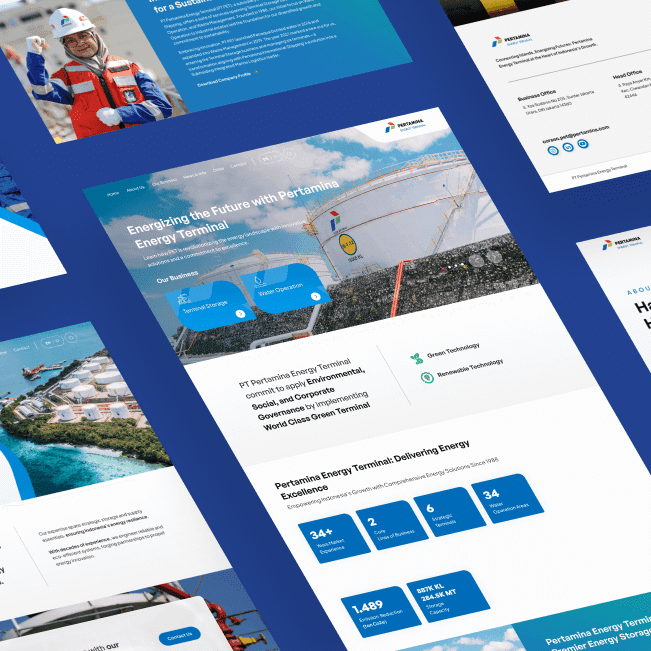
SAB helped Pertamina Energy Terminal explain its services and positioning to international prospects through its website, messaging, outreach, and sales materials. Buyers outside an established domestic network needed a clear introduction to the business. Account research serves a similar purpose in planning: understanding who will read the message helps you select the information worth introducing first.

  • Website & brand messaging
  • Cold email & LinkedIn
  • Sales communication materials
Explore SAB’s work

Explore the project in our company profile, then talk to us about your own brief.

BEFORE WE TALK

A few things
you may be wondering.

How is an ICP different from a buyer persona?

An ideal customer profile describes an organisation that fits your offer. A buyer persona describes a person or role involved in the purchase. B2B planning usually needs both: the company may be suitable, but your message must still make sense to the responsibilities of the person receiving it.

Should company size be the main selection criterion?

Only when there is a clear delivery or commercial reason. Start with the problem you can address and the conditions that make your service relevant. Size can support that assessment, but it should not replace it. Explain how each criterion will be verified during research.

Which public information is useful?

Company services, operating locations, target markets, and official announcements can help establish business context. Keep the source and check date. Use that information to ask a relevant question, rather than assuming an announcement means the company is currently looking for a provider.

When should we revise the account profile?

Revisit it when repeated conversations reveal needs or delivery constraints that differ from the original assumptions. Record why accounts are accepted, declined, or difficult to serve. Change the profile in response to a pattern you can explain, rather than a single reply or an attractive logo.
TELL US ABOUT YOUR BUSINESS

Build a target account profile your team can use.

Start with service fit, relevant buying roles, and the gaps in your current research.

Answer four quick questions to put together a starting brief. Copy it or bring it to a conversation with SAB.
Talk directly to SAB

Your answers stay in this browser. You review and send the message yourself in WhatsApp. Privacy details